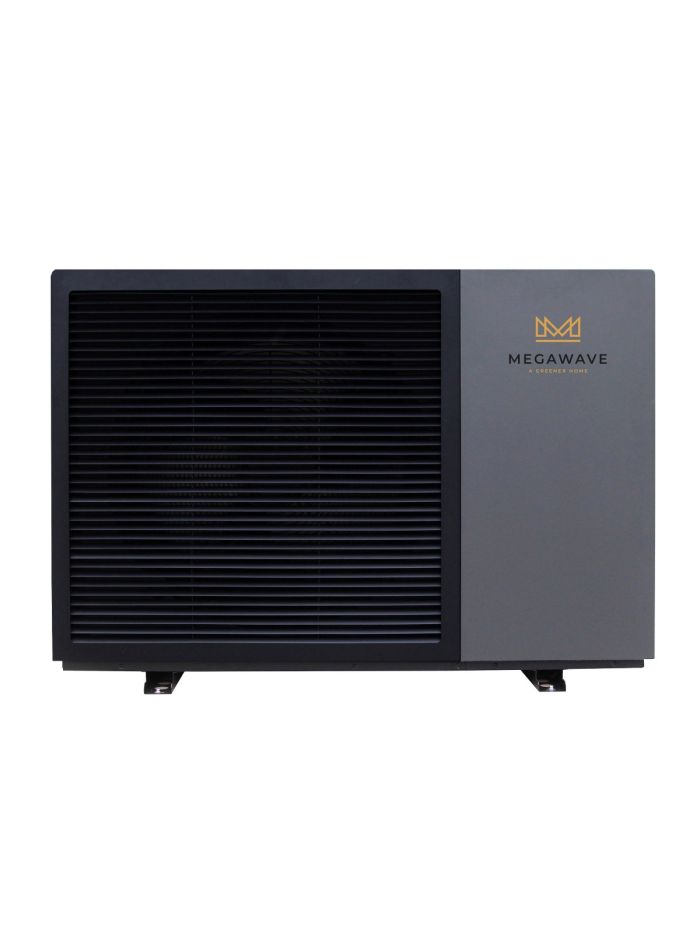
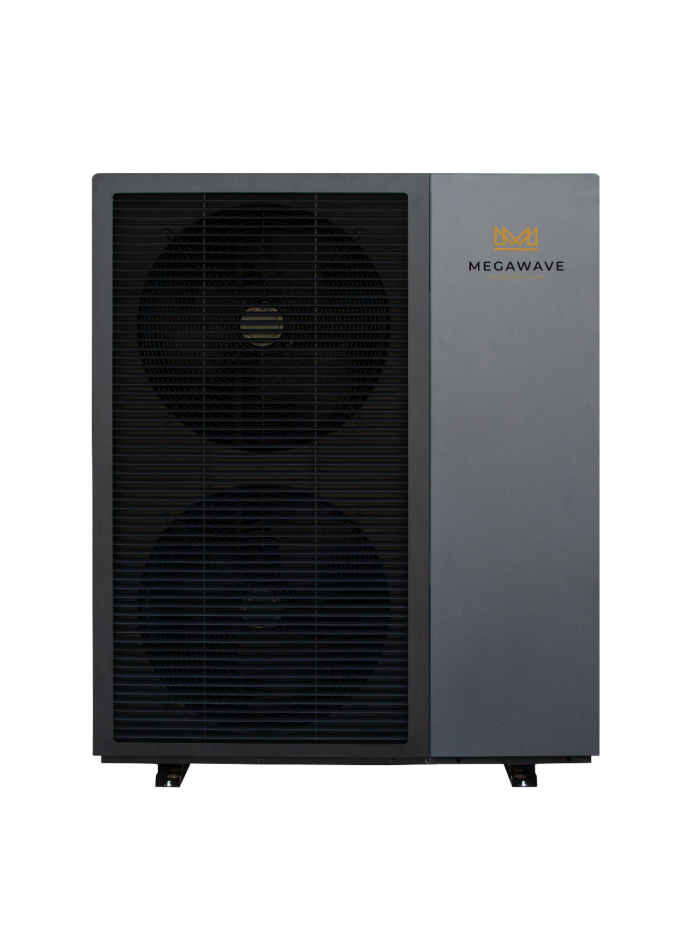
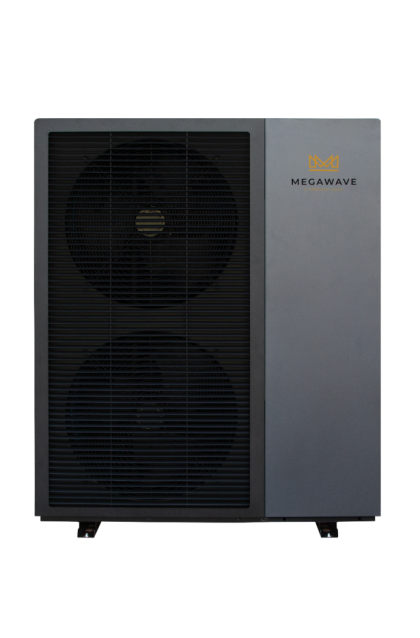
We only supply and install premium heat pumps from award-winning, trusted brands to ensure top performance, efficiency, and long-term reliability.
Trustpilot
TrustScore 3.8
2 reviews
We operate a nationwide network of engineers, working with fully qualified local professionals to ensure expert installation and trusted service across the UK.
Save money with a heat pump
Lower your energy bills and reduce your carbon footprint with government funding support.
£7,500 BUS Grant Government funding available through the Boiler Upgrade Scheme. Reduce your upfront costs significantly.
Lower Running Costs Heat pumps are up to 4x more efficient than traditional boilers, reducing your energy bills year-round.
Future-Proof Prepare for the future with renewable heating technology that's kind to the planet and your wallet.
Premium Products
How much does a heat pump cost?
Heat pump costs vary based on the type of system, property size, and installation requirements. Air source heat pumps typically range from £8,000 to £18,000, while ground source systems are usually between £15,000 and £35,000. The final cost can be influenced by factors such as your home’s insulation, existing heating setup, property size, and any additional work required, including radiator upgrades or underfloor heating.
Through the UK Boiler Upgrade Scheme (BUS), eligible customers can receive a £7,500 grant for both air source and ground source heat pump installations, helping significantly reduce upfront costs. We also offer flexible 0% APR finance options to make the investment more manageable. Contact us today for a free, tailored quote based on your home’s specific needs.
How much can I save with a heat pump?
Heat pump savings will vary depending on your current heating system, property insulation, and energy tariff. When compared with electric heating, heat pumps can reduce running costs by around 50–70%. Against gas boilers, they are typically 20–40% more efficient, helping to lower ongoing energy bills.
With current UK energy prices, many households could save approximately £200–£600 per year on running costs. In addition, eligible customers can access the Boiler Upgrade Scheme (BUS) grant of £7,500, which significantly reduces the upfront installation cost. Over the lifetime of the system, this can result in thousands of pounds in overall savings while also cutting carbon emissions.
Our team can provide a tailored savings assessment based on your home, usage, and existing heating system.
What is the Boiler Upgrade Scheme (BUS)?
The Boiler Upgrade Scheme (BUS) is a UK government grant that provides £7,500 towards the cost of installing a heat pump or biomass boiler. It is available to homeowners in England and Wales who are replacing fossil fuel heating systems such as gas, oil, or electric heating. The grant does not need to be repaid and is deducted directly from the installation cost, making the switch to low-carbon heating more affordable.
To be eligible, your property must have an Energy Performance Certificate (EPC) with no outstanding recommendations for loft or cavity wall insulation improvements. When you choose an MCS-certified installer like us, the grant is applied as part of your installation process. We take care of all the paperwork and administration, ensuring you receive the full grant support available with minimal hassle.
Do heat pumps work in cold weather?
Yes, modern heat pumps are designed to perform effectively even in cold weather, including temperatures well below freezing. Air source heat pumps can typically operate efficiently at temperatures as low as -15°C to -20°C, while ground source heat pumps offer even greater stability, as underground temperatures remain consistent throughout the year.
Thanks to advanced inverter technology, modern systems can maintain strong performance and efficiency even during colder conditions. Although efficiency may reduce slightly in extreme cold, heat pumps will continue to provide reliable heating. In the UK’s climate, they are more than capable of meeting full household heating demands throughout the year.
Most systems also include built-in backup heating for rare extreme cold spells, although this is seldom required in the UK. Our experts will assess your property and local conditions to recommend the most suitable system for your home.
What is the difference between air source and ground source heat pumps?
Air source heat pumps extract heat from the outside air, whereas ground source heat pumps draw heat from the ground using a network of buried pipes. Air source systems are the most common option in the UK, easier to install, and typically cost between £8,000 and £18,000. They require a compact outdoor unit similar in size to an air conditioning system, making them suitable for most residential properties.
Ground source heat pumps are generally more efficient and provide highly consistent performance, as ground temperatures remain stable year-round. However, they require significant outdoor space for underground pipework, making installation more complex and typically more expensive, usually ranging from £15,000 to £35,000.
In terms of efficiency, ground source systems can achieve around 400–500% efficiency, compared to approximately 300–400% for air source systems, and they can perform even more consistently in very cold conditions. Overall, air source heat pumps are suitable for the majority of UK homes, while ground source systems are best suited to larger properties with sufficient land available.
Do I need to upgrade my radiators for a heat pump?
It depends on your existing heating system and how your home is currently set up. Heat pumps operate most efficiently at lower flow temperatures (around 35–45°C), compared to traditional gas boilers which typically run at 60–80°C. Because of this, older radiators designed for high-temperature systems may sometimes need upgrading to larger, more efficient models to ensure adequate heat output.
That said, many modern, well-insulated homes with correctly sized radiators can often work with their existing system without major changes. During our free survey, we will assess your current radiators and heating setup to determine whether any upgrades are necessary.
Underfloor heating is particularly well suited to heat pumps, as it is designed to operate efficiently at lower temperatures. In some cases, we may only recommend upgrading a few key radiators rather than replacing the entire system. Our experts will always provide a clear, detailed assessment and tailored quote based on your home’s specific requirements.
Do heat pumps require planning permission?
In most cases, air source heat pumps are classed as permitted development in England, Scotland, and Wales, meaning planning permission is not usually required. However, certain conditions must be met, such as positioning the outdoor unit at least 1 metre from property boundaries, avoiding installation on walls facing highways, and ensuring compliance with local noise regulations. Properties such as listed buildings, homes in conservation areas, or flats may still require planning approval.
Ground source heat pumps typically do not require planning permission for the underground pipework, although any associated plant or equipment may still need approval depending on the installation.
As part of our service, we assess all planning requirements during your free survey and handle any necessary applications on your behalf. Our experienced team ensures full compliance with local regulations, making the entire process straightforward and stress-free.
We help homeowners access fast, reliable home-energy solutions.
A clear, simple process
1
Get your estimate
Answer a few quick questions about your home and heating needs.
3
Choose install date
Pick your date, we can install as soon as next day (order before 3 pm).
3
Inspection
Lorem ipsum dolor sit amet consectet
adipiscing elit, sed do eiusmod tempor incididunt ut labore et.
2
Pick a package
Choose from a range of top-rated heat pumps that fit your home and budget.



 Trustpilot